Advice, tips, techniques, and support for dealing with historical trauma and coping with anxiety

the self and soul logo

Advice, tips, techniques, and support for dealing with historical trauma and coping with anxiety

Self-care practices

From morning till night

Morning.

Take time for yourself...

Taking time for yourself is crucial for your mental and emotional well-being.

It can help reduce stress, boost your mood, and increase your overall happiness.

  1. Identify What Makes You Happy: Think about activities or small treats that bring you joy. This could be anything from reading a chapter of a good book, taking some time to meditate, going for a walk, or listening to your favourite music.

  2. Choose a Specific Time: Select a time in your day when you can fit in this activity without rushing. It could be during a break at work, after dinner, or first thing in the morning. By putting it in your calendar, you’re making a commitment to yourself.

  3. Set a Reminder: To ensure you don’t forget, set a reminder or an alarm. This helps in maintaining the habit of taking a moment for yourself regularly.

Incorporating small acts of kindness for yourself into your daily routine can have a big impact on your overall well-being.  Remember, taking care of yourself is not selfish; it’s necessary for a balanced and fulfilling life.
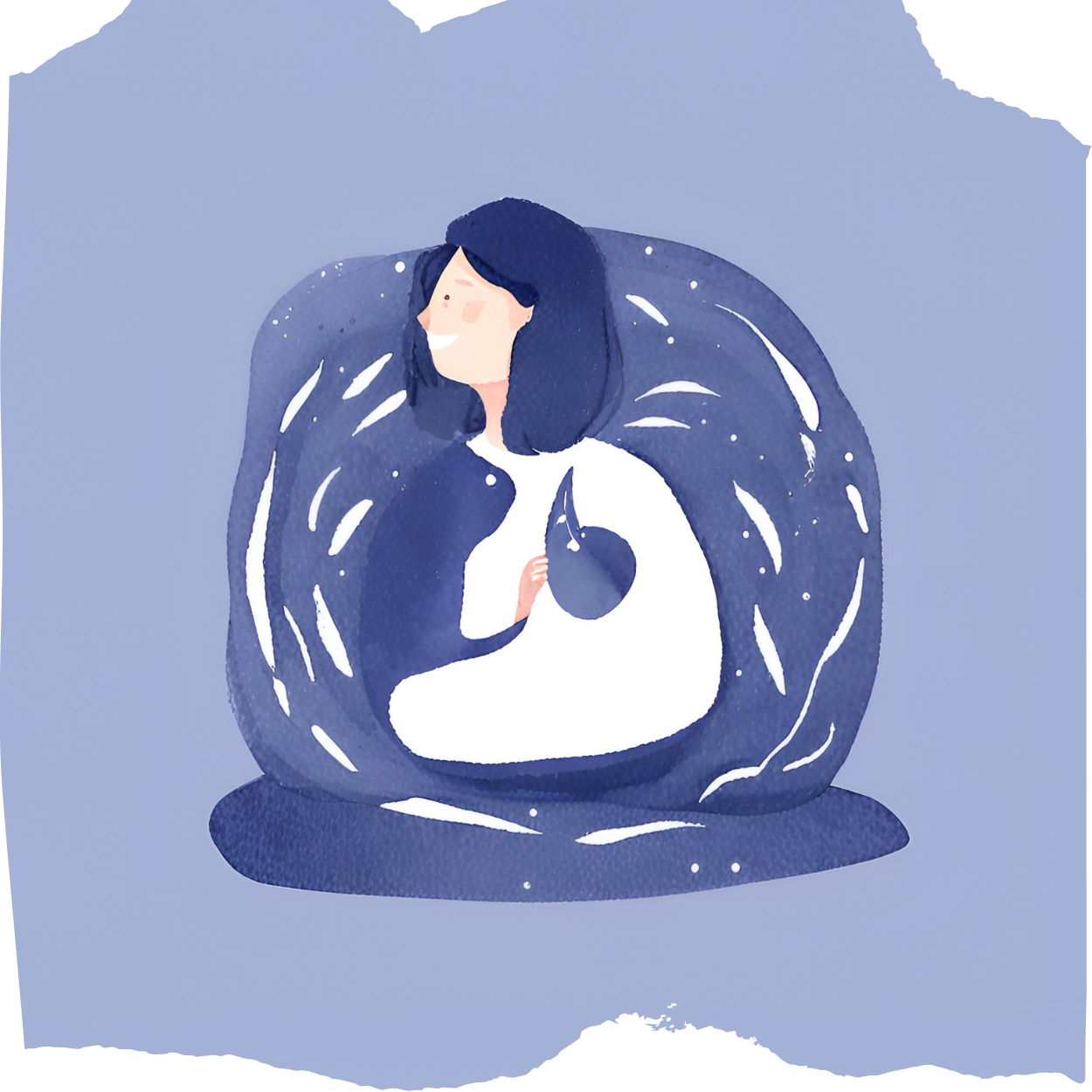

Self-care activity |self-care practices | theselfandsoul.com

Early evening.

flowers | self-care practices | theselfandsoul.com
Muscle relaxation |self-care practices | theselfandsoul.com
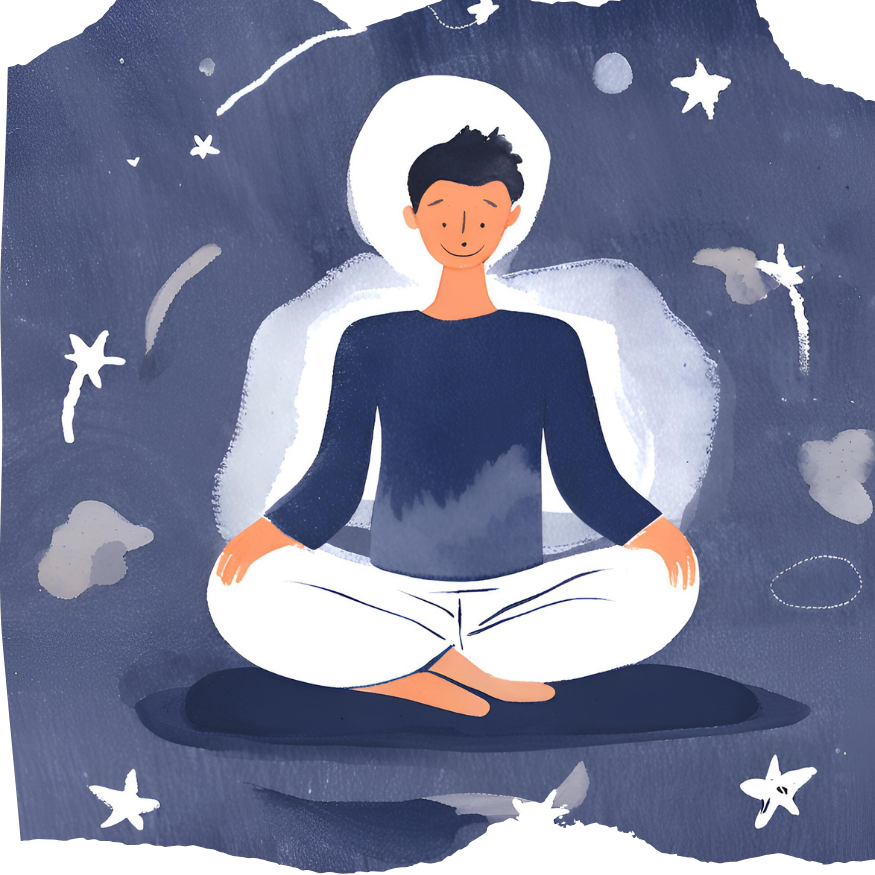
Muscle relaxation
  1. A Quiet Place
    • Find a comfortable spot where you won’t be disturbed.
    • Sit comfortably with your back straight but not rigid. Allow your hands to rest on your lap or at your sides, and close your eyes gently to  help focus inward.
  2. Calming Breaths
    • Begin by taking a deep breath in through your nose, filling your lungs completely.
    • Slowly exhale through your mouth for five seconds. Imagine letting go of any tension or stress with each breath out.
    • Repeat this process two more times, focusing on the rhythm of your breath and the sensation of air moving in and out of your body.
  3. Hands into Fists
    • Clench both of your hands into tight fists, squeezing them as hard as you comfortably can.
    • Hold this tension for a few moments, feeling the muscles in your hands and forearms engage.
    • Release completely, letting your hands relax. Notice the contrast between the tension and the relaxation.
  4. More Calming Breaths:
    • Take another deep breath in through your nose.
    • Exhale slowly through your mouth for five seconds.
    • Repeat two more times, maintaining your focus on the breath and the relaxation it brings.
  5. Shrug Shoulders
    • Inhale deeply and as you do, lift your shoulders up towards your ears, creating tension in your shoulder muscles.
    • Hold this position for a moment, then exhale and let your shoulders drop back down into a relaxed position.
    • Feel the release of tension and the sense of relaxation spreading through your neck and upper back.
  6. More Slow Breaths:
    • Finish the exercise with three final deep breaths. Inhale through your nose, filling your lungs fully.
    • Exhale slowly and steadily through your mouth for five seconds each time.
    • With each breath, feel your body becoming more relaxed and your mind more calm and centered.

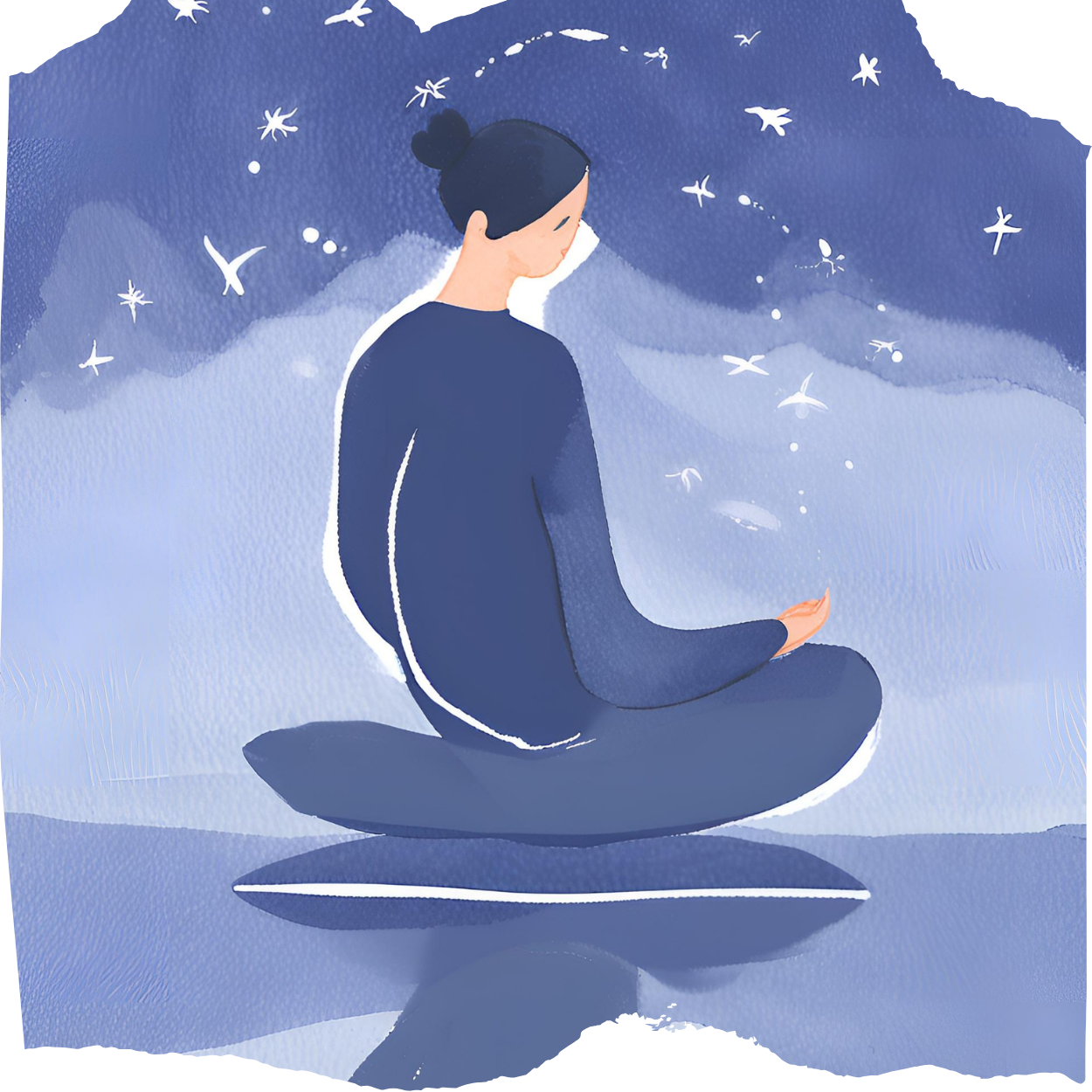
Bedtime.

Alternate nostril breathing

Prepare Your Posture:

Sit comfortably in a chair or on the floor with your spine straight and shoulders relaxed.

Close your eyes and take a few moments to settle into your position, taking deep breaths in and out to centre yourself.

Lift your right hand towards your nose.

Starting the Breathing Cycle:

  1. Exhale Completely:
    • Before you begin, exhale fully to clear your lungs.
  2. Close the Right Nostril:
    • Use your right thumb to gently close your right nostril.
  3. Inhale Through the Left Nostril:
    • Slowly inhale through your left nostril, taking a deep, smooth breath.
  4. Close the Left Nostril:
    • After inhaling, use your right ring finger or little finger to close your left nostril. Your right thumb will still be closing your right nostril.
  5. Open the Right Nostril and Exhale:
    • Release your right thumb, opening the right nostril, and exhale slowly and completely through the right side.
  6. Inhale Through the Right Nostril:
    • Now, inhale deeply and smoothly through your right nostril.
  7. Close the Right Nostril Again:
    • After inhaling, use your right thumb to close your right nostril again.
  8. Open the Left Nostril and Exhale:
    • Release your right ring finger or little finger, opening the left nostril, and exhale slowly and completely through the left side.

This completes one cycle of alternate nostril breathing.

Repeating the Process:

Repeat this cycle of breathing through alternate nostrils for up to five minutes. Ensure that your breath is smooth, deep, and controlled.

Tips for Practice:

  • Focus on Your Breath:
    • Pay attention to the flow of your breath and try to maintain a rhythm. This helps to calm the mind and enhance the benefits of the practice.
  • Stay Relaxed:
    • Keep your body relaxed and avoid any tension, especially in your face and shoulders. Your hand should rest comfortably on your face without causing strain.
  • Start Slow:
    • If you are new to this practice, start with one minute and gradually increase the duration as you become more comfortable.

Benefits of Alternate Nostril Breathing:

  • Balancing:
    • This practice helps balance the right and left hemispheres of the brain, promoting mental clarity and calmness.
  • Relaxation:
    • It induces a state of relaxation and reduces stress and anxiety.
  • Improved Respiratory Function:
    • Regular practice can enhance lung function and overall respiratory health.


stars | self-care practices | theselfandsoul.com
Bedtime reflection |self-care practices | theselfandsoul.com
birds | self-care practices | theselfandsoul.com
Nostril breathing |self-care practices | theselfandsoul.com
moon and stars | self-care practices | theselfandsoul.com
Sun | self-care practices | theselfandsoul.com
Reflecting on the day

1. Notice What is on Your Mind at Bedtime:

  • Step: Before getting into bed, take a few moments to sit quietly and observe your thoughts.
  • Tip: You might find it helpful to close your eyes and take a few deep breaths to center yourself.
  • Purpose: This step helps you become aware of any lingering concerns, anxieties, or thoughts from the day. Acknowledging these thoughts can be the first step in clearing your mind for a restful sleep.

2. Things You Did Well Today:

  • Step: Either write down or mentally list three positive actions or accomplishments from your day.
  • Tip: These don’t have to be major achievements; small victories are just as important. For example, “I finished a task on time,” or “I made a healthy meal choice.”
  • Purpose: Focusing on positive experiences helps to shift your mindset from any negative or stressful thoughts to a more positive frame of mind.

3. Note What You Did to Help These Things Go Well:

  • Step: Reflect on your actions that contributed to the successes you listed.
  • Tip: Be specific about your contributions. For instance, if you finished a task on time, you might note, “I planned my schedule well and stayed focused.”
  • Purpose: Recognising your role in your successes builds self-efficacy and self-esteem. 

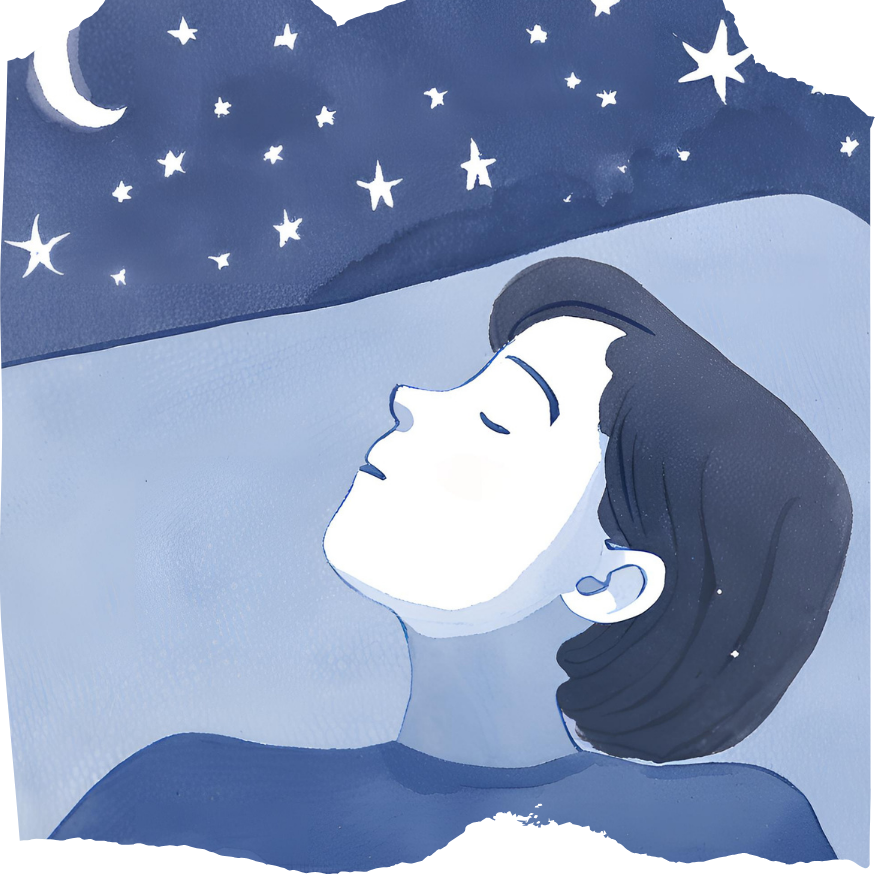
4. After You Lie Down to Sleep, Allow Your Mind to Continue to Dwell on What Went Well:
  • Step: As you lie down, gently bring your thoughts back to the positive reflections you made.
  • Tip: If your mind starts to wander to worries or negative thoughts, gently redirect it back to the positive experiences.
  • Purpose: Dwelling on positive experiences as you fall asleep can improve your mood and help promote a restful, positive mindset for the next day.
the self and soul logo

If you want to get
in touch...

Subscribe for updates

Enter your email

Newsletter sign-up image | theselfandsoul.com

Want to know about new content as soon as it arrives?

Sign up to the newsletter.